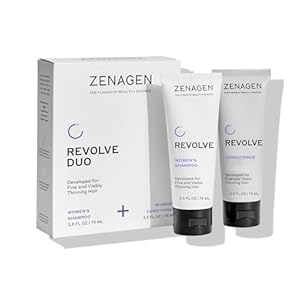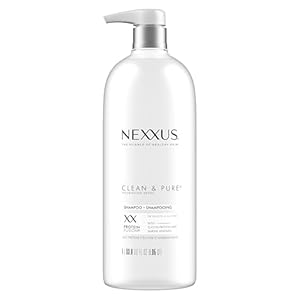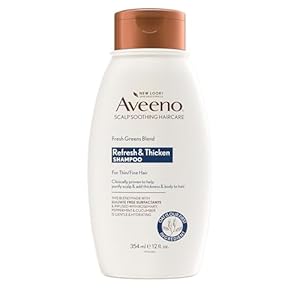

Dry hair isn’t just a cosmetic issue—it’s a sign that your strands are missing vital moisture and lipids. Whether dryness comes from heat styling, harsh shampoos, chemical treatments, weather, or genetics, the solution isn’t “more products,” but the right products with the right ingredients.
Let’s break down what to look for in shampoos, conditioners, masks, and oils so you can build a haircare routine that truly restores hydration.
🌿 1. Hydrating Shampoos — Start With a Moisture-Based Cleanse
Dry hair begins at the scalp and cuticle level.
Traditional shampoos often strip natural oils, which worsens dryness over time.
Hydrating shampoos are designed to cleanse gently while replenishing moisture.
Look for replenishing ingredients:
Coconut oil — penetrates the hair shaft and reduces protein loss
Shea butter — softens, seals, and prevents moisture loss
Argan oil — antioxidants + vitamin E to restore shine and smoothness
Aloe vera — calming, hydrating, and scalp-friendly
These ingredients help replenish the lipid layer that keeps hair flexible and glossy.
Avoid stripping agents:
Sulfates (SLS, SLES)
Strong detergents
High alcohol content
Artificial fragrances if you’re sensitive
Sulfate-free formulas are especially helpful for dry, curly, textured, or color-treated hair.
Application tip:
Massage into scalp and down the strands—not just the ends. Let the shampoo foam gently rather than scrubbing harshly.
Think of your shampoo as skincare for your hair. Cleansing should never feel squeaky or tight.
🧴 2. Nourishing Conditioners — Replace What Your Hair Has Lost
Conditioner is not optional for dry hair—it’s your daily hydration shield.
Look for formulas that offer both softness and structure.
Key ingredients:
Avocado oil — rich in oleic acid, deeply hydrates the cuticle
Keratin — reinforces hair fibers, boosts elasticity
Honey — humectant that attracts moisture
Silk proteins — smooth, reduce frizz, improve manageability
Rich, creamy conditioners are better suited for damaged or brittle hair because they coat and protect the strand.
How to use correctly:
Apply from mid-length to ends — avoid roots if you want volume.
Use a wide-tooth comb in the shower to distribute evenly.
Rinse with cool or lukewarm water to seal the cuticle.
Regular conditioning helps reduce snapping, breakage, and split ends—three major symptoms of dry hair.
Dry hair isn’t always damaged, but damaged hair is always dry.
🧖♀️ 3. Revitalizing Hair Masks — Weekly Intensive Repair
Hair masks work like skincare “deep conditioners.”
They deliver more concentrated ingredients than your everyday rinse-out conditioner.
Best mask ingredients for hydration:
Argan oil
Coconut oil
Shea butter
Keratin
Amino acids
Ceramides
These treatments help repair internal structure, improve shine, and restore softness.
How to use:
Wash with a gentle shampoo
Apply mask generously (roots to ends for severe dryness)
Leave on 10–20 minutes
Rinse thoroughly and follow with conditioner if needed
Use once a week, or 1–2 times weekly if your hair is extremely dehydrated or chemically treated.
Think of masks as therapy—not maintenance. You’re rebuilding, not just smoothing.
🥥 4. Moisturizing Hair Oils — Seal, Protect, and Smooth
Oils don’t hydrate—they lock in moisture and restore lipids.
This is crucial for dry hair, which lacks both.
Top oils for dry hair:
Argan oil
Rich in vitamin E and fatty acids. Ideal for brittle strands and dullness.
Coconut oil
One of the few oils that penetrates the hair shaft and prevents protein loss.
Jojoba oil
Mimics natural scalp sebum. Great for fine or frizz-prone hair.
Sweet almond oil
Packed with minerals and vitamins; helps soften and smooth, ideal for damage recovery.
When and how to apply:
On damp hair to seal moisture
On dry hair to control frizz and protect ends
Focus on mid-lengths and ends—not roots
Just 1–2 drops go a long way.
Too much oil = buildup and flatness.
🔥 Bonus Expert Tips Most People Overlook
✔ Heat styling accelerates dryness
Use heat tools less often—or always apply a heat protectant.
✔ Hard water can cause chronic dryness
If you live in a hard-water region, consider a shower filter or clarifying shampoo once a month.
✔ Scalp health matters
Dry scalp = dry strands. Use scalp serums or gentle exfoliants to improve circulation and oil balance.
✔ Chemical treatments require extra care
Bleach, dye, relaxers, perms, and keratin treatments strip moisture.
Layer hydration products—shampoo alone won’t fix it.
✨ Final Thoughts
Dry hair isn’t solved by one miracle product.
It’s the result of consistent choices:
gentle cleansing → nourishing conditioning → weekly restoration → moisture sealing.
Once you understand your hair type—and the ingredients it responds to—you can confidently choose products that hydrate, protect, and strengthen your strands.
Healthy hair is hydrated hair.
Start with the basics and watch your texture, shine, and manageability transform.
Trending Products