
If you’re tired of split ends, snapped strands, and dull texture, you’re not alone. Hair breakage is one of the most common issues people face, and it usually has multiple causes — from styling habits to nutrition.
The good news? You don’t need expensive salon treatments. With intentional adjustments and a strong routine, you can noticeably improve hair strength within weeks.
Below are the four core pillars to build more resilient, healthier hair.
Understanding Hair Structure: Why Breakage Happens
To protect your hair, it helps to know what you’re actually protecting.
Each hair strand has three layers:
1. The Cuticle (Outer Layer)
This is the “armor.” It consists of overlapping scales that protect everything underneath.
When the cuticle gets damaged, it lifts or cracks — which causes tangling, rough texture, and snapping.
2. The Cortex (Middle Layer)
This is the core strength of your hair.
It contains keratin fibers, protein bonds, and pigment, which determine:
thickness
elasticity
curl pattern
color
Heat, bleach, and chemical treatments weaken the cortex first.
3. The Medulla (Inner Layer)
Not everyone has it. It has minimal impact on overall hair health.
Takeaway:
Healthy hair = strong cuticle + supported cortex.
Every product and technique you use should protect those two layers.
Essential Hair Care Practices to Reduce Breakage
You don’t have to overhaul your entire routine — but you must be intentional.
Small changes create long-term stability.
Use the right tools
Detangle only with a wide-tooth comb when hair is damp or conditioned.
Avoid brushing dry curly or coily hair — it stretches and snaps.
Shampoo wisely
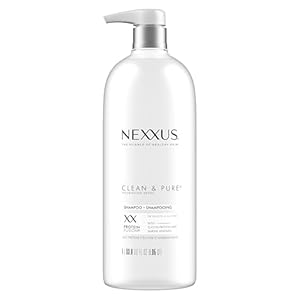
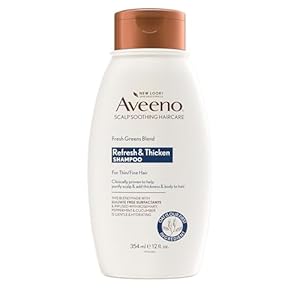
Choose sulfate-free cleansers to preserve the natural oils that strengthen the cuticle.
Clarify once every 2–4 weeks if you use oils, gels, or heavy styling creams.
Condition every wash
Apply conditioner from mid-length to ends.
If your hair is fragile, a leave-in conditioner adds all-day protection.
Protect from heat
Limit flat irons and curling wands.
Always use a heat protectant spray (silicone-based is best).
Lower the temperature — anything over 350°F increases breakage risk.
Trim intentionally
Split ends never repair themselves.
A trim every 8–12 weeks stops splits from traveling up the shaft.
Eat for Hair Strength: Your Diet Is Your Growth Foundation
Healthy hair starts internally.
If your body doesn’t receive the nutrients it needs, your strands become weak before they even grow.
Key nutrients that fortify hair:
Biotin (Vitamin B7)
Sources: eggs, almonds, sweet potatoes
Supports: follicle growth, keratin production
Omega-3 fatty acids
Sources: salmon, chia seeds, flaxseed oil, walnuts
Benefits: lipid balance, scalp hydration, reduced inflammation
Iron
Sources: spinach, lentils, beans, red meat
Benefits: oxygen delivery to follicles, reduced shedding
Vitamin C
Sources: strawberries, oranges, kiwi
Benefits: collagen support, improved absorption of iron
Protein
Hair is made of protein — low protein intake = weak hair.
Sources: lean meats, tofu, yogurt, beans
Hydration matters
Brittle hair is often dehydrated hair.
Drink enough water daily, especially if you use caffeine or live in dry climates.
Habits That Cause Breakage (and What to Do Instead)
Strengthening hair isn’t just about what you add — it’s about what you stop.
1. Excessive heat styling
High heat damages keratin bonds.
Replace daily heat styling with protective hairstyles or rollers.
2. Overwashing
Shampooing every day strips natural protective oils.
Aim for 2–3 washes per week depending on scalp type.
3. Aggressive brushing
Fast brushing = instant cuticle damage.
Detangle gently from ends upward.
Use detangling creams when needed.
4. Tight hairstyles
High ponytails, braids, and buns pull at the hair root.
Rotate styles.
Use satin scrunchies, silk bands, or spiral ties.
Final Thought
Hair breakage isn’t caused by one thing, so it’s rarely solved by one change.
When you combine internal nutrition, protective techniques, and smart product choices, your strands become stronger every week.
Trending Products